
September 9, 2026
Hecta at the 18th World Congress on Public Health
In recent months, Hecta Consulting has been reflecting on an important question: how do we really measure the quality of services delivered to the people we serve? These reflections were part of the conversations we brought to the 18th World Congress on Public Health (WCPH) 2026 in Cape Town.
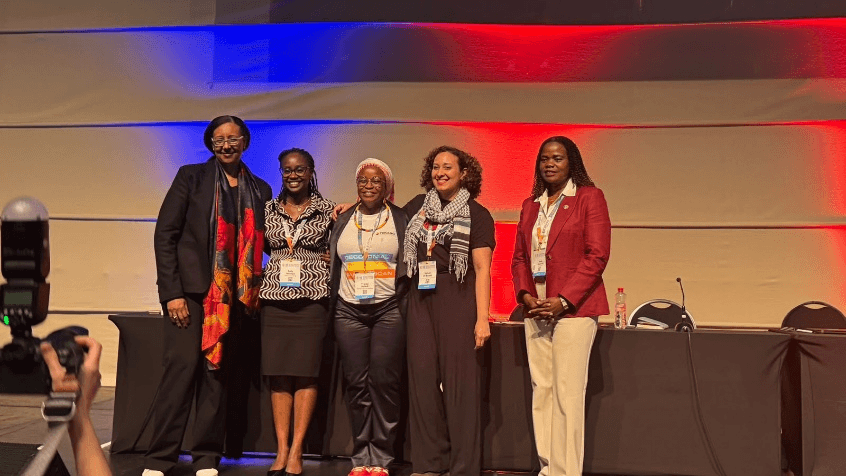
In recent months, Hecta Consulting has been reflecting on an important question: how do we really measure the quality of services delivered to the people we serve?
Through our Primary Health Care Performance Management (PHC-PM) work, this question has taken us beyond measuring whether systems and processes are in place, to thinking about how performance management can help counties understand what is working, where gaps remain, and what can be done differently to improve primary healthcare for communities.
These reflections were part of the conversations we brought to the recently concluded 18th World Congress on Public Health (WCPH) 2026 in Cape Town, where Caren Nekesa and Dr Sally Wambui Ndungu represented Hecta Consulting.
Caren presented “Institutionalizing Performance Management at the Subnational Level for Primary Healthcare Strengthening,” drawing from her experience as a Project Associate providing technical assistance for PHC-PM. Co-located at the county level, Caren works closely with county core teams, supporting a process of co-creation that places county ownership and local context at the centre of performance improvement.
Dr. Sally joined the plenary on “Public Health in Conflict, War and Peacebuilding,” where she reflected on the importance of using individual stories to put numbers into perspective. She highlighted how the effects of conflict can extend far beyond the immediate crisis — from disruptions to food production that affect children’s, maternal and neonatal nutrition and health, to interruptions in sexual and reproductive health and HIV prevention services.
In these conversations, a common thread is emerging, health systems have to be understood not only through what we measure, but through what those measures mean for people and the services they receive.